

Chatting with colleagues and clients recently, I was struck by one thing.
Each of them confided that they were so busy with work including online calls, meetings, emails, prospecting, marketing, networking, follow-ups and general admin that they no longer have time to:
- Walk the dog
- Take a coffee break
- Exercise or keep fit
- Chat to co-workers
- Have a decent lunch break
- Cook an evening meal
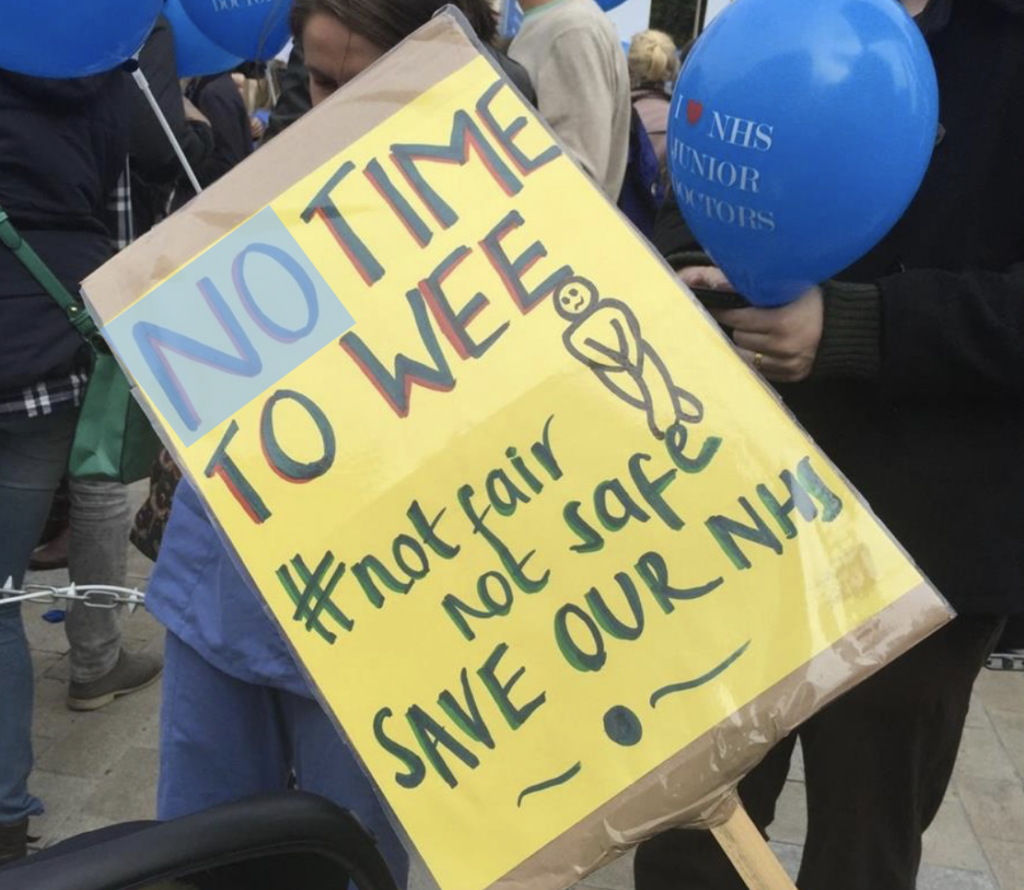
Back in 2015, when my daughter was a junior doctor, there was a protest against a new contract proposed by the then Health Secretary because it was deemed “unsafe and unfair”. Many of the doctors felt that the new working conditions were creating extreme fatigue, intense workloads, lack of time for breaks and “No time to pee”.
And yet, how many of us, despite the promises of technology in revolutionising our working lives continue to operate on the same conveyor belt routine from the moment we wake until the moment we go back to sleep – with evenings filled with more screen time or perhaps TV watching?
Andrew Huberman, an American neuroscientist, has described the worst morning routine in 5 steps:
- Stay in bed
- Recline and scroll
- Skip sunlight
- Drink coffee
- Multitask
Between 0 – 60 minutes after you open your eyes, your body runs its cortisol awakening process. Coffee and phone scrolling in particular, prevent our neural system from firing up correctly and provide dopamine micro-rewards before breakfast so that the rest of the day registers as a downgrade on the earlier energy boost. And multitasking first things leads to your attention being fragmented all day.
And guess what? Sunlight fixes all 5 so that your day is anchored in positive energy and focus.
20 minutes spent outdoors before looking at your phone or laptop can fix all five habits at once.
Somehow, we have all got sucked into habits and patterns, including the use of technology that are undermining rather than enhancing our productivity and effectiveness.
It’s in these moments when we finally wake up to the reality of our existence and decide to live instead of just survive.
We have become chained to our screens and technology out of fear.
A fear of not keeping up with the latest AI trend, with our emails, with our meetings and messages.
But right now, something is shifting, people are getting tired with the constant pressure and urgent need to be on call and react. This old way of living is too exhausting.
And once this shift starts it spreads faster than fear ever could, grounding us once again in the knowledge of who we are and what we need to be truly human and able to connect with one another.
You don’t need a complete life overhaul to change this—you just need to interrupt the pattern.
Start small. Reclaim just 20 minutes tomorrow morning. Step outside before you check your phone. Breathe. Walk. Let your mind wake up before the world starts demanding things from you.
Then build from there. Protect a real lunch break. Schedule time to move your body. Have one conversation a day that isn’t transactional. Create moments in your calendar that are yours—and treat them as non-negotiable.
Because the truth is, if you don’t take control of your time and energy, something else always will.
The shift is already happening. The question is whether you’ll be part of it—or continue running on a system that’s clearly no longer working.
So, here’s the challenge:
Tomorrow morning, don’t reach for your phone.
Reach for your life instead.